Designing Open Education Resources: the Importance of the Third Space
Julian Pakay¹ and Steven Chang²
¹Department of Biochemistry and Chemistry, La Trobe University
²La Trobe Library, La Trobe University
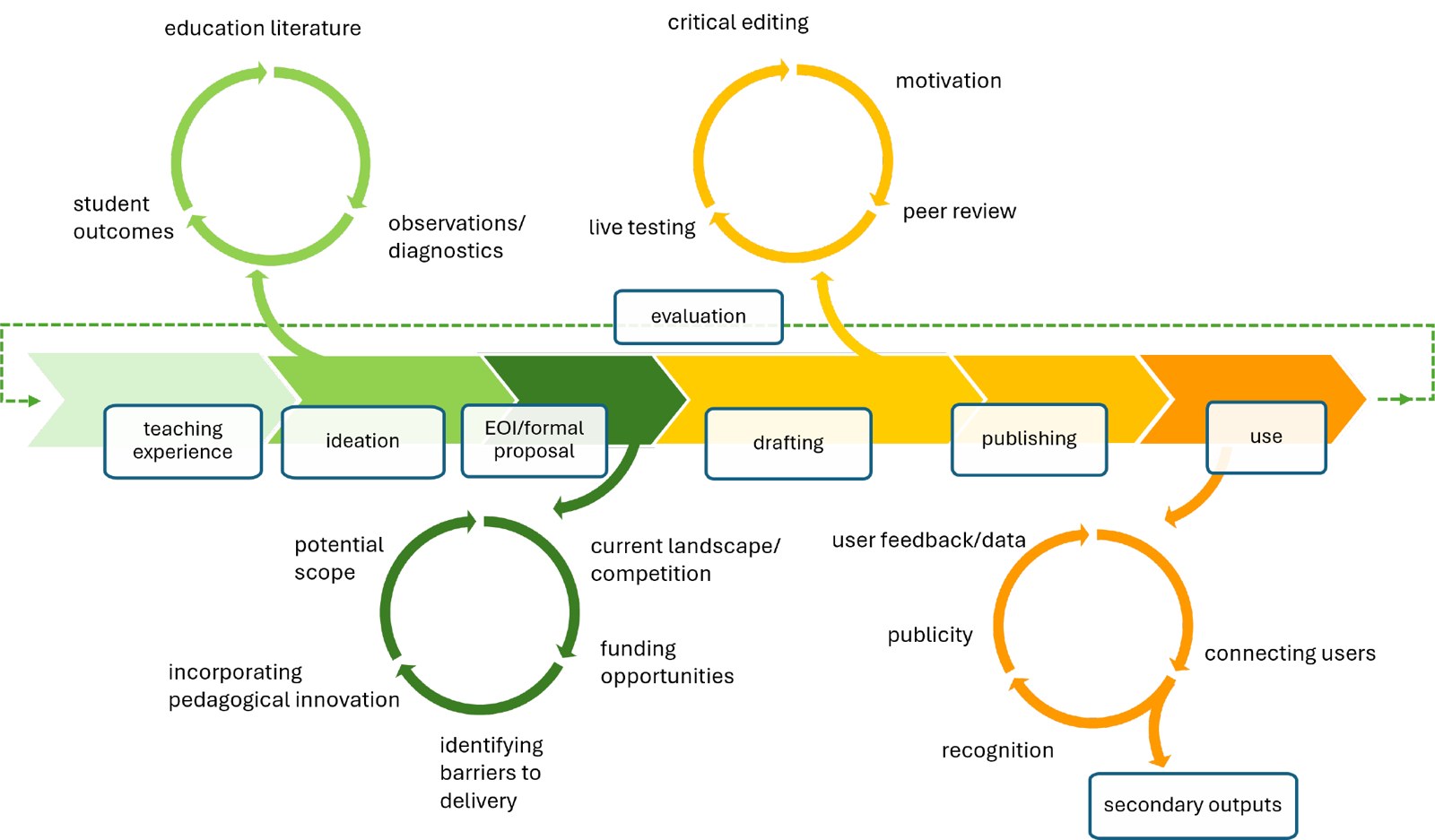
Fig. 1. The iterative process of developing an OER.
Resources
- OER Collective guide on getting started with creating OER .
- Contact someone for OER expertise: Australasian institutional contacts .
- La Trobe University Library Open Educational Resources .
- Julian Pakay's presentation to BioMolecular Horizons 2024/ComBio2024: Developing open educational resources as educational interventions .
References
- White HB. Biochem Educ 1996;24:41–45.
- Griffiths R, Mislevy J, Wang S, Ball A, Shear L, Desrochers D. OER at Scale: The Academic and Economic Outcomes of Achieving the Dream's OER Degree Initiative. 2020. SRI International.
- Loertscher J, Green D, Lewis JE, Lin S, Minderhout V. CBE Life Sci Educ 2014;13(3):516–528.
- Tansey JT, Baird T Jr, Cox MM, Fox KM, Knight J, Sears D, Bell E. Biochem Mol Biol Educ 2013;41(5):289–296.
- Whitchurch C. Reconstructing Identities in Higher Education: the Rise of 'Third Space' Professionals. 2012. Routledge.
- Lambert SR, Fadel H. Open Textbooks and Social Justice: a National Scoping Study. 2022. Australian Centre for Student Equity and Success.
- Andersen N. Enhancing Inclusion, Diversity, Equity and Accessibility (IDEA) in Open Educational Resources (OER). 2022. University of Southern Queensland.
About the authors
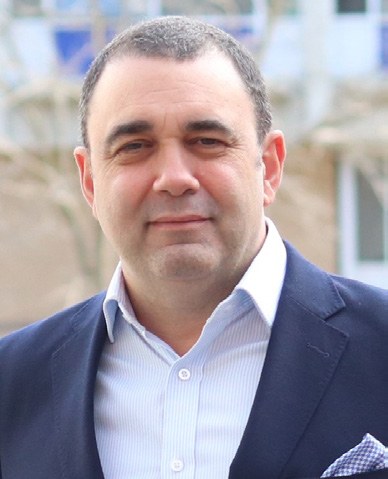
Dr Julian Pakay is a Senior Lecturer in the Department of Biochemistry and Chemistry, La Trobe University.
j.pakay@latrobe.edu.au
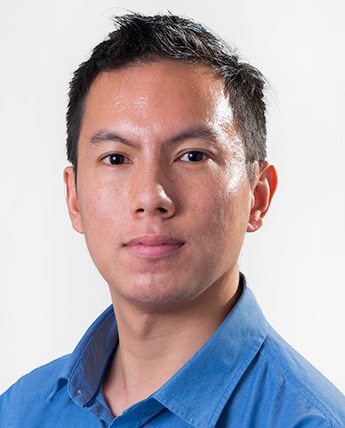
Steven Chang is the Coordinator of Open Education & Scholarship, La Trobe University Library.
s.chang@latrobe.edu.au
This article first appeared in the ASBMB Education Feature of Australian Biochemist Vol 55 No 3, December 2024, pages 21–23.
ASBMB Membership Office
T +61 (03) 9907 8648
E asbmb@wsm.com.au
© 2026 ASBMB. All rights reserved.