Inclusive Laboratory Practice: Perspectives of a Second-year Undergraduate Student
Amber Willems-Jones and Alexander Rey (University of Melbourne) talk to undergraduate biochemistry student Michael Blyth.
Universities across Australia are committed to providing equitable and inclusive educational opportunities. The University of Melbourne's Diversity and Inclusion Strategy 2030 and Disability Inclusion Action Plan emphasise improving accessibility, removing barriers and ensuring that students with disability can participate fully in university life.
When the Western Edge Biosciences teaching facilities were developed, accessibility was incorporated into the laboratory design. Adjustable-height laboratory benches and appropriately positioned handwashing facilities were included to support wheelchair users and students with different accessibility requirements.
Although these features were intended to create an inclusive learning environment, it was important to understand whether they met students' needs in practice.
Amber Willems-Jones and Alexander Rey spoke with Michael Blyth, a second-year Bachelor of Science student, about his experiences in the Techniques in Molecular Science laboratory subject within the Department of Biochemistry and Pharmacology at the University of Melbourne.
Can you tell us a little about yourself and your history with disability?
I'm Mike, a 28-year-old mature-age student and manual wheelchair user. I sustained a spinal injury in a mountain biking accident in 2013. After rehabilitation at Austin Hospital, I experienced a difficult period of adjustment before gradually rebuilding my independence, obtaining my driver's licence, returning to work and eventually enrolling at university.
Outside my studies, I'm interested in music and sound production. I'm also involved in disability advocacy, particularly helping music venues around Melbourne improve accessibility for people attending events.
What made you choose to come to university?
Before my injury, I worked as a bicycle mechanic. I later found employment with a disability equipment supplier, where my technical skills were useful in assisting wheelchair users and working alongside physiotherapists and occupational therapists.
That experience eventually led to my current role at the Royal Children's Hospital, where I support children undergoing rehabilitation by helping them access everyday technology.
For example, I help children who have limited hand dexterity use devices such as iPads, computers and gaming consoles through eye-tracking or head-tracking technology.
Working in a medical environment and helping children adapt to disability has been particularly meaningful. These experiences inspired me to pursue medicine, beginning with a Bachelor of Science degree.
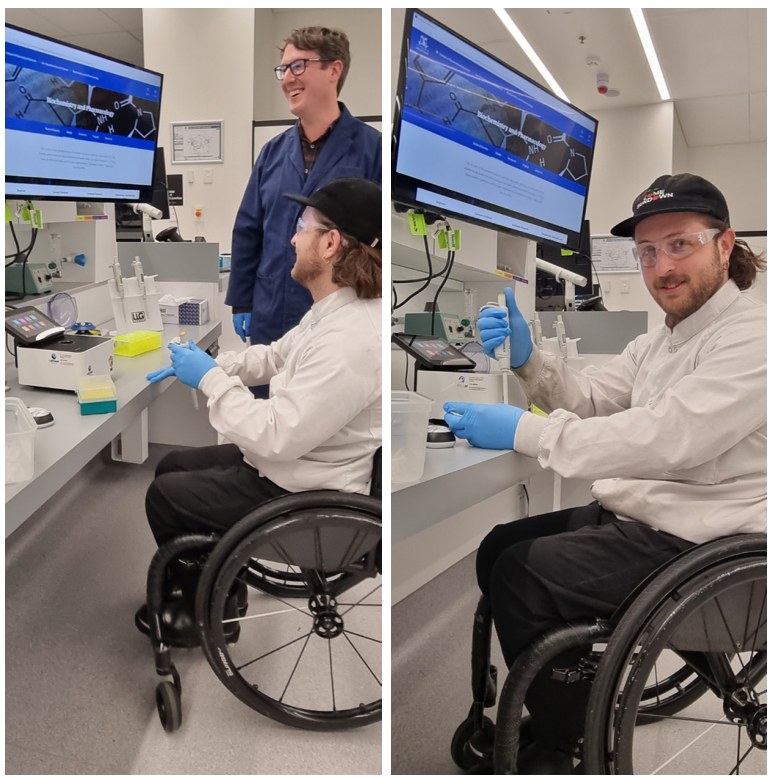
Michael Blyth performing a practical experiment in the second-year subject, Techniques in Molecular Science.
Given your accessibility needs, did you have concerns about choosing to study a science degree?
Initially, I was uncertain whether pursuing medicine would be practical as a wheelchair user, particularly because some medical specialties have significant physical requirements.
Having completed high school in 2012 without previously attending university, I also needed to explore alternative entry pathways.
I knew that science courses involved practical laboratory classes and wasn't sure how accessible these would be. However, I felt supported from the beginning.
Finding the appropriate support services and asking questions made a significant difference. I connected with the Student Equity and Disability Support (SEDS) team, which helped me navigate university requirements.
What has your experience been like so far at university, in terms of inclusivity?
Overall, my experience has been very positive. Through SEDS, I received an academic adjustment plan that allowed me to access academic support workers during practical classes.
These support workers, generally senior undergraduate or postgraduate students, assisted when I needed help moving larger laboratory equipment or glassware, particularly during first-year chemistry.
I've appreciated being able to decide how independently I participate in laboratory activities. Teaching staff have generally been flexible and supportive.
One area that could be improved is communication before classes begin. Students are often responsible for contacting subject coordinators and arranging discussions about accessibility requirements themselves.
I'm comfortable advocating for my own needs, but some students may find initiating these conversations difficult. More proactive communication from teaching staff could make the process easier.
How have you found your experience in the wet lab biochemistry space this semester?
The experience has been excellent. Before semester began, I met with Amber and the technical team to discuss my requirements.
I was particularly impressed by the height-adjustable laboratory benches, which are integrated into the laboratory rather than added as separate structures.
In previous laboratory classes, adjustable tables had been positioned alongside existing benches. These could extend into walkways and make movement around the laboratory more difficult.
In the new biochemistry laboratory, the adjustable benches blend into the overall design. I believe accessibility is most effective when it is incorporated naturally into the environment rather than appearing as an obvious modification.
Staff and fellow students have also been extremely supportive. Equipment is arranged within easy reach, and my demonstrator, Alex, has ensured I can participate in practical activities.
For example, shared equipment such as gel electrophoresis tanks was sometimes moved to my lower bench. When larger equipment, such as centrifuges, could not be repositioned, Alex made sure I could still observe and understand the procedures.
Other important features include the lowered handwashing basin and accessible toilets on the same floor.
Did you find it difficult to learn the practical aspects of biochemistry in this class?
Not particularly. Although some instruments were positioned above my reach, the teaching staff used alternative equipment to explain the same principles.
For example, smaller microcentrifuges could be used to demonstrate the principles involved when larger centrifuges were inaccessible.
One lesson I learned during the practical examination was the importance of communicating clearly with laboratory partners.
When partners work at different speeds or complete separate parts of a protocol, misunderstandings can arise. My advice to other students with disability is to explain their requirements clearly and maintain open communication with their laboratory partners.
Would you recommend taking a lab class to others with the same accessibility requirements as you?
Absolutely. Based on my first-year experiences, I expected that laboratory work would involve frequent movement of large equipment and that I would need considerable assistance from a laboratory partner or support worker.
Instead, the molecular biology and biochemistry experiments were primarily conducted at the bench. I had sufficient space, and the equipment was arranged so that I could undertake most activities independently.
I didn't require a support worker in these classes and felt confident performing experiments myself.
The laboratory facilities are outstanding, but accessible design alone is not enough.
The most important aspect of inclusion is ensuring that people with disability are involved in conversations about accessibility, that their experiences are taken seriously and that their concerns lead to meaningful responses.
About the authors
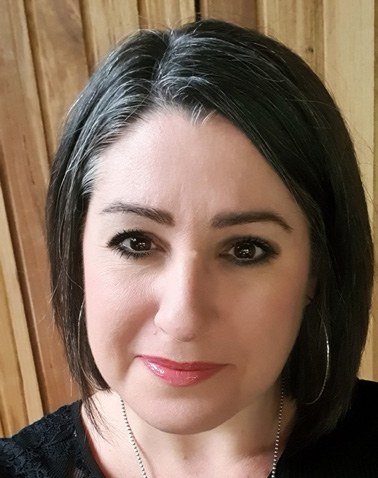
Dr Amber Willems-Jones is a teaching specialist, Senior Lecturer and subject coordinator of Techniques in Molecular Science in the Department of Biochemistry and Pharmacology at the University of Melbourne.
amber.willems@unimelb.edu.au
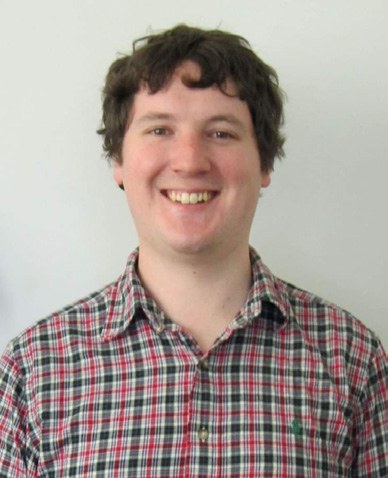
Dr Alexander Rey is a Senior Tutor in second- and third-year practical classes in the Department of Biochemistry and Pharmacology at the University of Melbourne.
rey.a@unimelb.edu.au
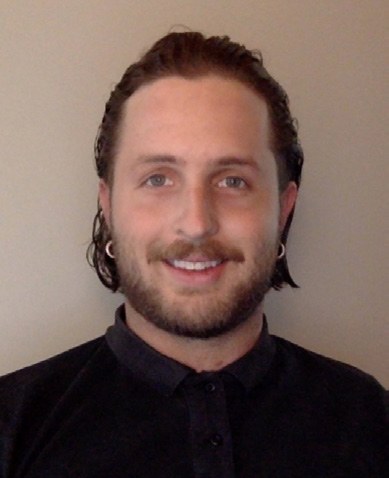
Michael Blyth is a second-year Bachelor of Science student at the University of Melbourne.
mbbly@student.unimelb.edu.au
This article first appeared in the ASBMB Education Feature of Australian Biochemist Vol 54 No 2, August 2023, pages 16–18.
ASBMB Membership Office
T +61 (03) 9907 8648
E asbmb@wsm.com.au
© 2026 ASBMB. All rights reserved.