Laboratory Data Generators: Extending the Teaching Lab Online with Real Results
Matthew Clemson, Alice Huang and Gareth Denyer
University of Sydney
Teaching laboratories are busy environments where students and instructors must work within limited time and resources. Students are expected to follow experimental protocols, learn laboratory techniques, become familiar with equipment, collect and analyse data, and interpret their findings.
These demands can encourage students to concentrate on following instructions and avoiding mistakes rather than exploring the underlying scientific principles.
When circumstances interrupt practical classes, such as student absences, pandemics, extreme weather or missing laboratory reagents, educators often provide pre-prepared data for students to analyse.
Ideally, students would have access to a laboratory environment without restrictions on time, space, equipment or resources. Such an environment would allow them to explore different experimental approaches, make mistakes, observe the consequences and repeat procedures until they develop confidence.
Research has shown that online laboratory simulations can produce improvements in disciplinary knowledge and performance in examinations covering laboratory concepts comparable to traditional practical classes (1–4).
Introducing the Laboratory Data Generator
To address these challenges, we developed the Laboratory Data Generator (LDG), an online simulation designed to reproduce important elements of experimental biochemistry.
Built using the Unity gaming engine, the LDG provides students with continuous access to a virtual laboratory bench where experimental procedures follow scientific principles.
Unlike simulations that simply present predetermined results, the LDG generates experimental data based on the biochemical reactions and procedural steps performed by each student.
Students can experiment with different procedures, observe how their actions affect the results and repeat activities to improve their understanding.
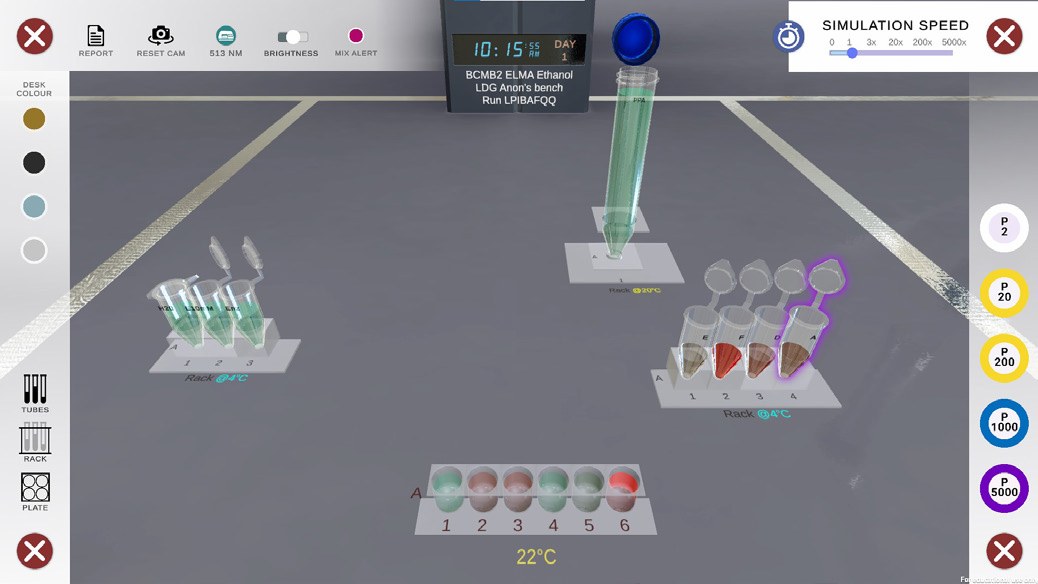
Fig. 1. Screenshot of the Laboratory Data Generator with an experiment in progress.
Personalised Laboratory Assessments
The LDG also provides opportunities to develop personalised assessments for large student cohorts while retaining the benefits of collaborative learning.
Each time a student begins an experiment, the system generates a unique set of samples specific to that student and experimental session.
Although students can discuss experimental approaches with peers or seek assistance from artificial intelligence, they must still perform their own experimental procedures, collect and analyse their individual results, and report their findings.
This approach allows students to collaborate while ensuring their submitted work reflects their own experimental data.
Application in Second-year Biochemistry
At the University of Sydney, 765 second-year Biochemistry and Molecular Biology students completed a practical assignment using the Laboratory Data Generator.
Students were tasked with estimating the blood alcohol concentration of several individually assigned samples.
The experiment used a spectrophotometric, enzyme-catalysed assay in which colourless ethanol is converted through a series of biochemical reactions to produce a red compound.
Students followed the experimental procedures within the simulation, generated their own data and used the results to estimate alcohol concentrations.
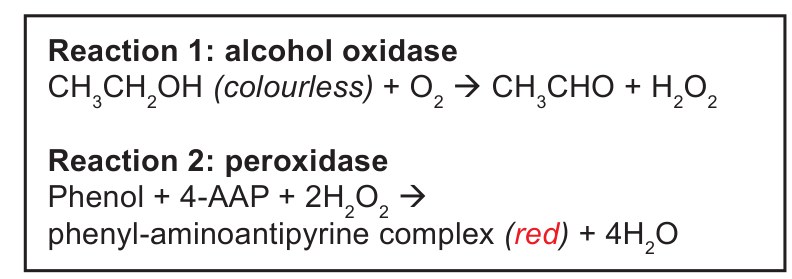
Fig. 2. Experiment reactions performed and analysed by students in second-year Biochemistry and Molecular Biology.
Students were given time during scheduled classes to complete the activities, with instructors available to explain procedures and provide assistance.
The simulation allowed students to investigate the consequences of procedural decisions, including inaccurate pipetting, contamination and changes to experimental volumes or dilutions.
Unlike a conventional laboratory, students could repeat the experiment without the pressure of limited class time or concerns about wasting laboratory reagents.
Student Feedback and Outcomes
Student evaluations indicated that the LDG was helpful in developing an understanding of experimental principles.
Students also reported confidence in their ability to apply the knowledge and skills gained through the simulation in a physical laboratory environment.
One student particularly appreciated that the simulation responded to experimental errors, including contamination caused by failing to change pipette tips.
The ability to repeat experiments and test different dilutions and volumes without time pressure or wasting resources was also identified as a valuable feature.
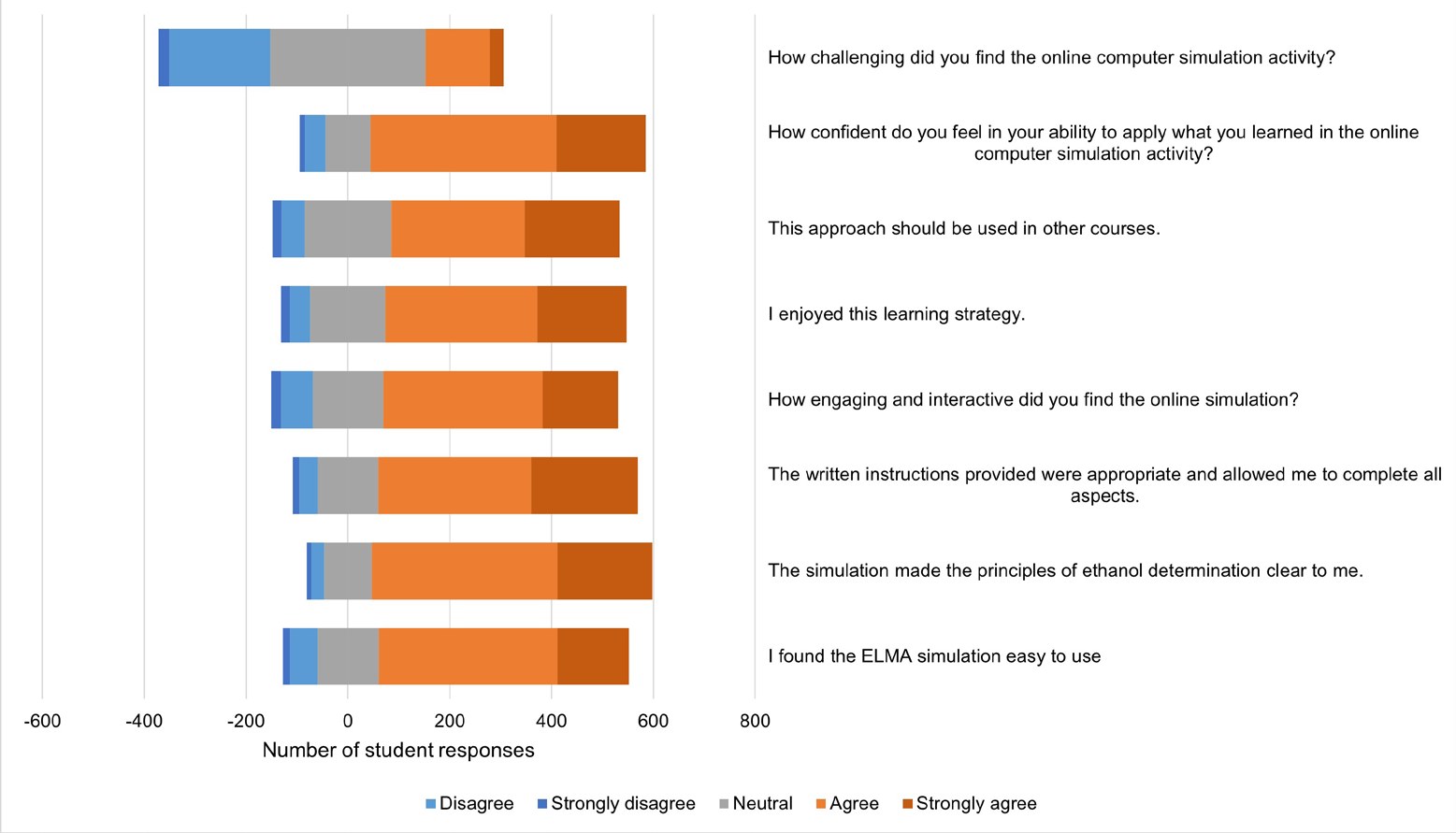
Fig. 3. Student evaluation of the Laboratory Data Generator assignment.
Future Applications
Following the successful introduction of the Laboratory Data Generator, we are working to integrate this approach more broadly into biochemistry teaching and learning at the University of Sydney.
The LDG provides opportunities for students to develop experimental understanding through repeated practice, personalised data generation and active engagement with laboratory procedures.
Educators interested in incorporating these tools into their own teaching are encouraged to contact Gareth Denyer or Matthew Clemson.
References
- Crisp KM (2012). Journal of Undergraduate Neuroscience Education 11(1):A132.
- Cunningham SC, McNear B, Pearlman RS, Kern SE (2006). CBE Life Sciences Education 5(3):281–286.
- Gibbons NJ, Evans C, Payne A, Shah K, Griffin DK (2004). Cell Biology Education 3(4):263–269.
- Dobson JL (2009). Advances in Physiology Education 33(4):335–342.
About the Authors

Dr Matthew Clemson is a Senior Lecturer in the School of Life and Environmental Sciences at the University of Sydney.
matthew.clemson@sydney.edu.au

Dr Alice Huang is a Lecturer in the School of Life and Environmental Sciences at the University of Sydney.
alice.huang@sydney.edu.au

Professor Gareth Denyer is an Educational Designer in the School of Life and Environmental Sciences at the University of Sydney.
gareth.denyer@sydney.edu.au
This article first appeared in the ASBMB Education Feature of Australian Biochemist, Vol 55 No 1, April 2024, pages 15–16.
ASBMB Membership Office
T +61 (03) 9907 8648
E asbmb@wsm.com.au
© 2026 ASBMB. All rights reserved.